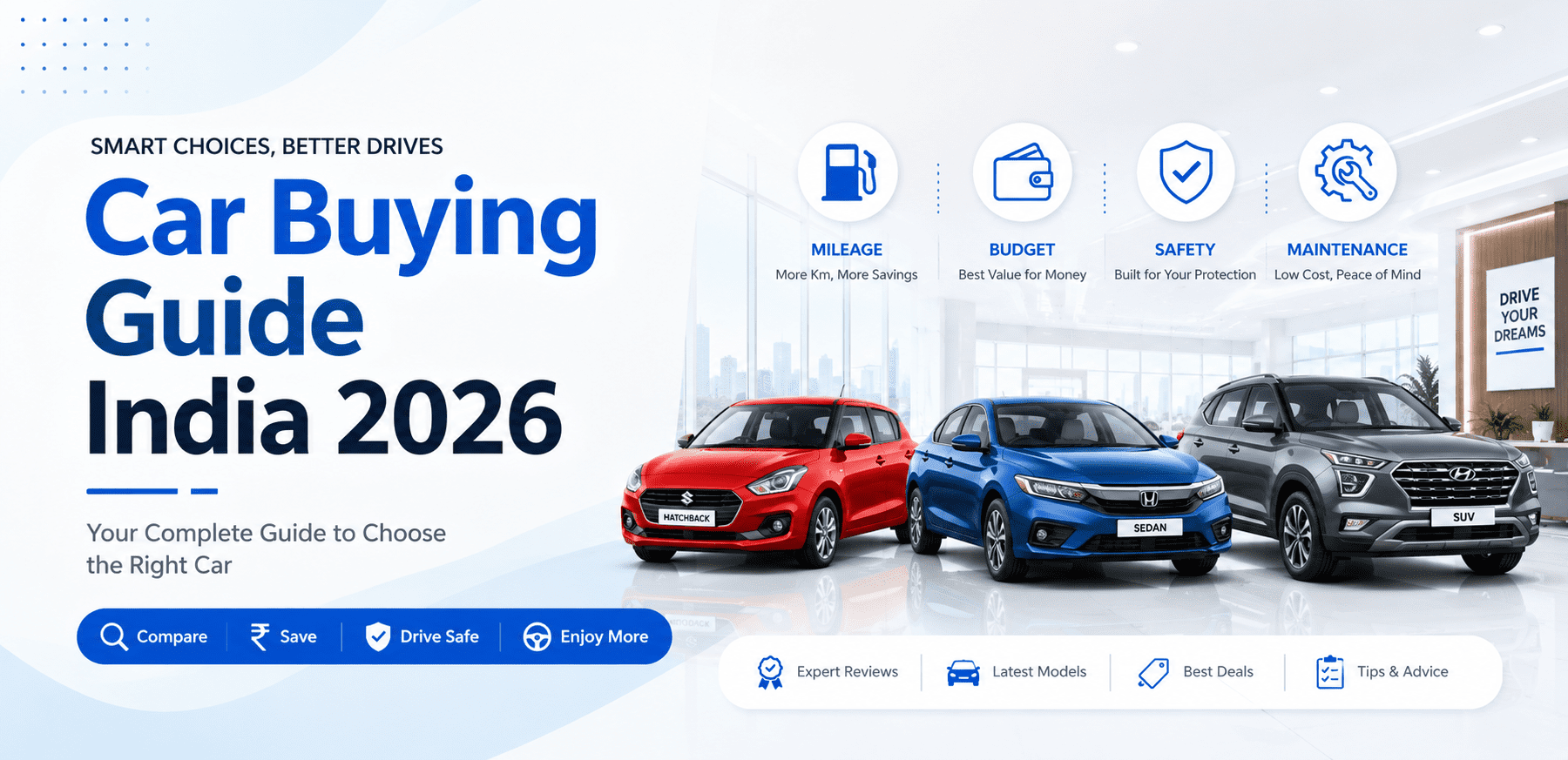
Best Car Buying Guide in India 2026 – Smart Tips to Choose the Perfect Car
Buying a car in India is one of the biggest financial decisions for most people. In 2026, the market is filled with countless options—hatchbacks, sedans, SUVs, electric vehicles, and more. While having options is great, it also makes the decision more confusing.
Many buyers end up choosing the wrong car because they focus on the wrong factors like looks, brand hype, or unnecessary features.
The truth is simple:
The best car is not the most expensive or feature-loaded—it’s the one that fits your needs, budget, and daily usage. In this exhaustive 1000+ word guide at carsinformation.in, we break down everything you need to know before buying the new car.
This detailed guide will help you make a smart, practical, and cost-effective car buying decision.
Why Choosing the Right Car buying Matters
A car is not just a one-time purchase—it’s a long-term commitment. Along with the buying price, you also spend on:
• Fuel
• Maintenance
• Insurance
• Repairs
A wrong decision can cost you thousands every year.
That’s why planning is important.
Step 1: Set a Realistic Budget
Your budget should not only include the car price but also additional costs.
Include:
• On-road price
• Insurance
• Registration charges
• Accessories
Ideal budget range for most buyers: ₹5 lakh to ₹12 lakh
Avoid stretching your budget unnecessarily. A slightly cheaper car with better efficiency is often a smarter choice.
Step 2: Understand Your Usage
Your daily usage defines the type of car you need.
City Driving
• Compact hatchbacks
• Easy to drive
• Better mileage
Highway Driving
• Sedans or SUVs
• Better stability
• Comfortable for long trips
Mixed Usage
• Compact SUVs
• Balanced performance
Always match your car type with your lifestyle.
Step 3: Choose the Right Car Type
Hatchbacks
Best for:
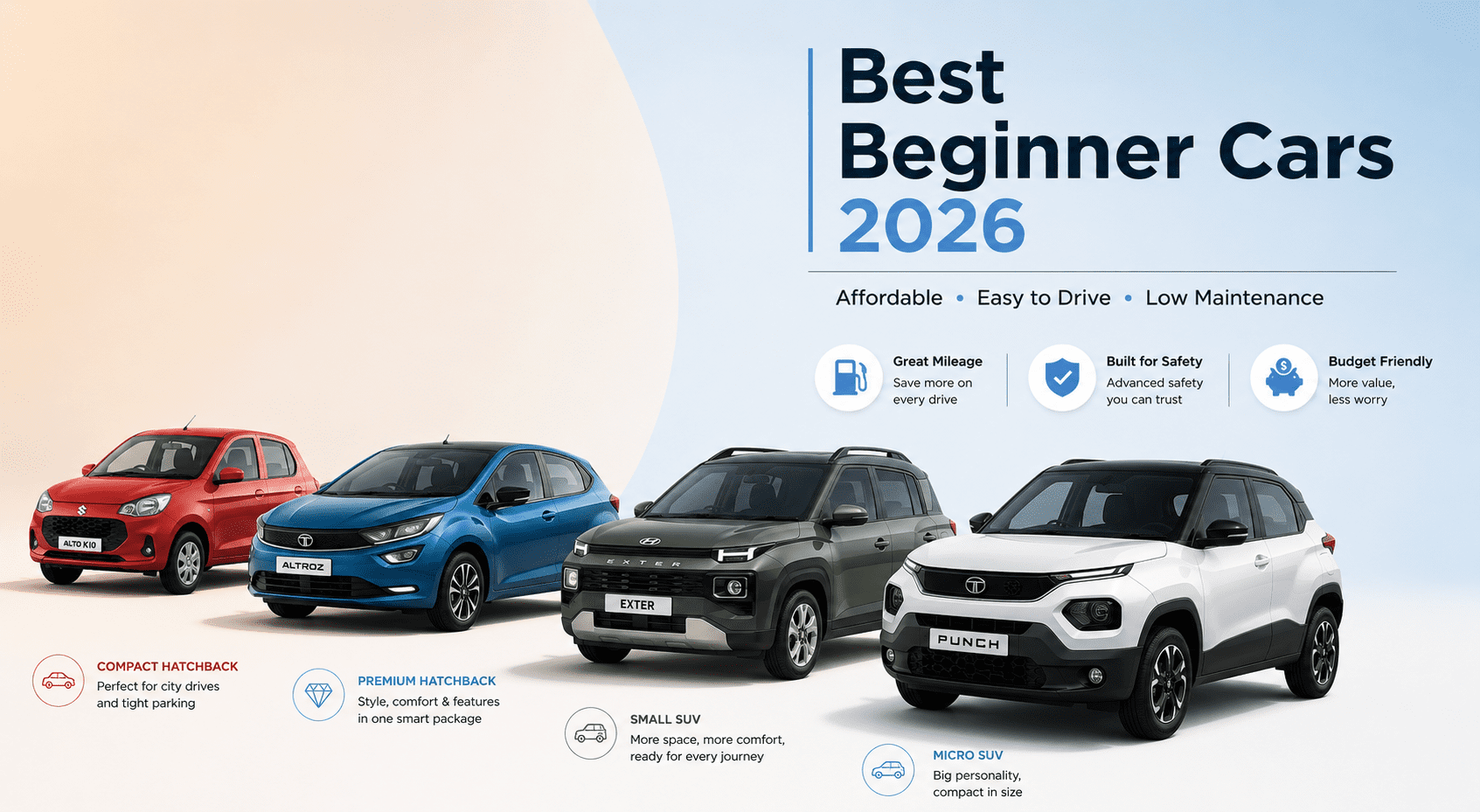
• Beginners
• City driving
• Budget buyers
Advantages:
• Easy handling
• Good mileage
• Low maintenance
Sedans
Best for:
• Comfortable rides
• Highway driving
Advantages:
• Better space
• Smooth driving experience
SUVs
Best for:
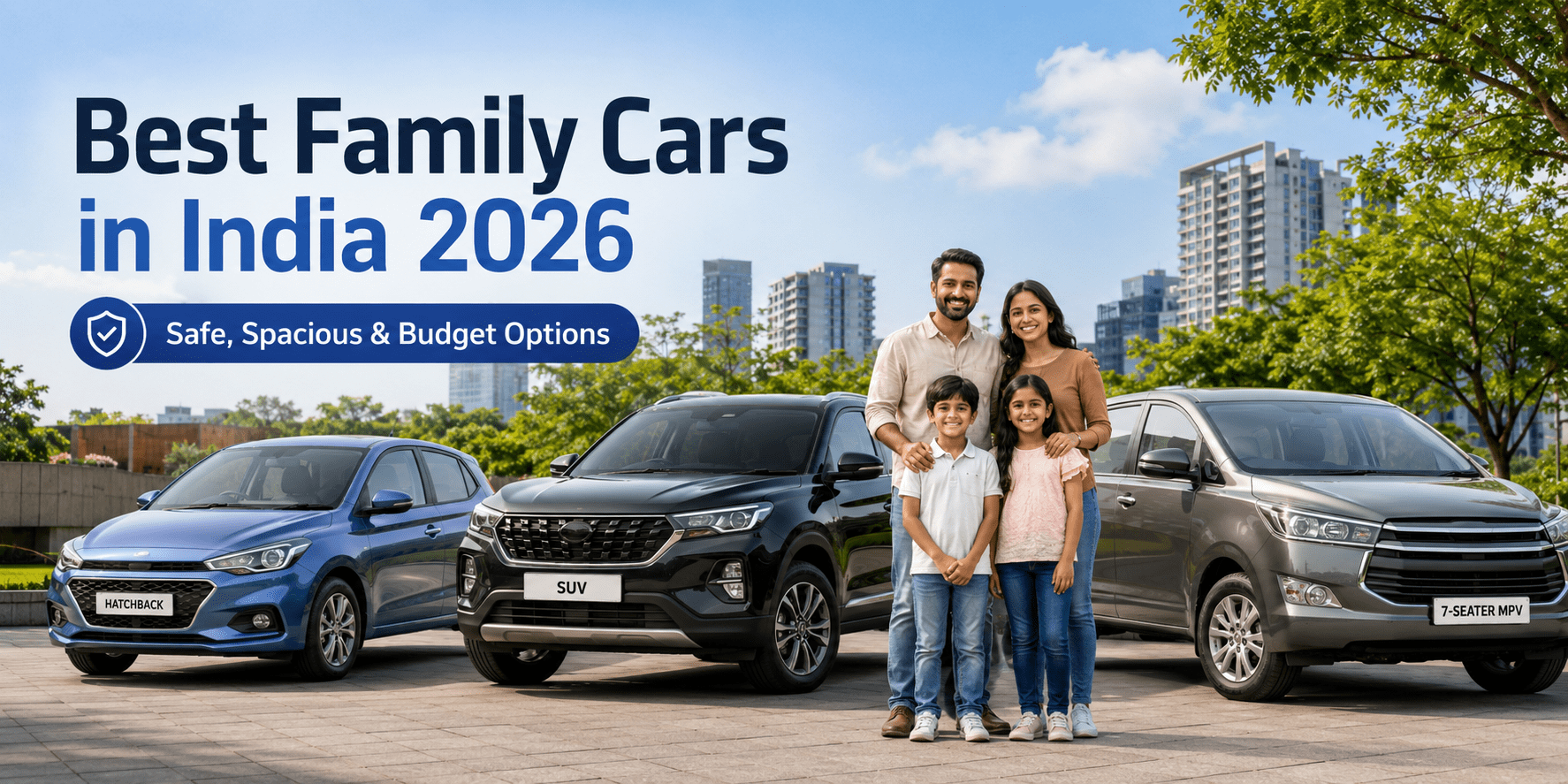
• Families
• Rough roads
• Long-distance travel
Advantages:
• High ground clearance
• Strong road presence
Step 4: Select the Right Fuel Type
Petrol Cars
• Low maintenance
• Best for city use
• Lower initial cost
Diesel Cars
• Higher mileage
• Best for long distances
• Better fuel efficiency
CNG Cars
• Lowest running cost
• Eco-friendly
• Ideal for daily commuting
Choose fuel type based on your daily usage.
Step 5: Check Mileage (Fuel Efficiency)
Mileage is one of the most important factors.
Ideal mileage:
• Hatchbacks: 20–25 km/l
• SUVs: 17–22 km/l
Higher mileage = Lower fuel expenses
Over time, this makes a huge difference in your total cost.
Step 6: Consider Maintenance Cost
Many buyers ignore this—but it’s crucial.
Check:
• Service cost
• Spare parts price
• Service network availability
Low maintenance cars reduce long-term expenses.
Step 7: Focus on Essential Features
Avoid unnecessary features that increase cost.
Important features:
• Airbags
• ABS with EBD
• Power steering
• Reverse parking sensors
Focus on practicality, not luxury.
Step 8: Safety Should Be a Priority
Never compromise on safety.
Minimum safety requirements:
• Dual airbags
• ABS braking system
• Strong build quality
Safety features protect you and your family.
Step 9: Manual vs Automatic
Manual Cars
• Budget-friendly
• Better control
• Good for learning
Automatic Cars
• Easy to drive
• Best for traffic
• Comfortable experience
Choose based on your comfort and driving conditions.
Step 10: Compare Multiple Cars
Never finalize the first option you see.
Compare:
• Price
• Mileage
• Features
• Maintenance
Shortlist at least 2–3 cars before deciding.
Step 11: Take a Test Drive
This is the most important step.
Check:
• Driving comfort
• Visibility
• Handling
• Brake response
Always test drive before buying.
Common Mistakes to Avoid while Car buying
Avoid these mistakes:
• Choosing based on looks only
• Ignoring running cost
• Overspending on features
• Not researching properly
• Skipping test drives
Smart buyers avoid emotional decisions.
Latest Trends in India (2026)
Car buyers are becoming smarter.
Key trends:
• Demand for fuel-efficient cars
• Growth of automatic vehicles
• Rising popularity of compact SUVs
• Focus on safety features
Practical cars are dominating the market.
How to Make the Final Decision For Car Buying
Follow this simple formula:
Fix budget
Identify usage
Choose fuel type
Compare options
Take test drive
The car that feels easiest and most comfortable is the right one.
Conclusion
Buying a car in India in 2026 doesn’t have to be confusing. When you focus on the right factors—budget, usage, mileage, maintenance, and safety—you naturally make a better decision.
A smart car choice today will save you money, reduce stress, and improve your daily life.
Car Buying Guide – FAQs
1. Which car is best for beginners in India?
Hatchbacks and compact cars are best for beginners because they are easy to drive, fuel-efficient, and affordable.
2. What is the ideal budget for car buying in India?
Most buyers choose cars between ₹5 lakh and ₹12 lakh depending on their needs and usage.
3. Which fuel type is best in 2026?
Petrol is best for city use, diesel for long-distance driving, and CNG for low running cost.
4. Is mileage more important than features?
Yes, mileage directly affects your long-term expenses, making it more important than extra features.
5. Should I buy an automatic or manual car?
Automatic cars are better for comfort and traffic, while manual cars are more budget-friendly.
6. Why is maintenance cost important?
High maintenance cost increases your overall car ownership expenses over time.
7. How important is a test drive?
A test drive helps you understand comfort, handling, and real driving experience before buying.
8. Which type of car is best for city driving?
Hatchbacks and compact cars are best due to easy handling and better mileage.